
What We Wish We Had Known From Day One About Cleft Care
By Dr. Anna Thurmes Barigayomwe, PhD, MA, CCC-SLP
Informed by what I’ve learned from my parents (and many others) over many years…
I’ve heard my parents say this more times than I can count:
“I wish we would have known…”
This post is written from my perspective — shaped by listening to my parents reflect on their journey navigating cleft and craniofacial care for our family, as well as the many other families I have helped over the years. A little about me- I was born with a cleft lip and palate and I have served on the University of Minnesota Cleft and Craniofacial Team for the past 20 years as a speech-language pathologist. I may be biased but my parents are amazing! I will forever be grateful for all they did to ensure I got the treatment I needed and most of all- I am so thankful for their love. Their love taught me to be proud of my cleft- that our differences make us beautiful.
Let’s dive in…
When a child is born with a cleft or craniofacial difference, families often assume the hardest part will be surgery. What we didn’t understand at first was that the real challenge is navigating care over time — and knowing who should be guiding it.
Finding the Right Surgeon — and the Right Team
Early on, we asked what we thought was the most important question:
“If this were your daughter, who would you see?”
What we meant was:
Who is the most experienced?
Who has consistent outcomes?
Who truly specializes in cleft and craniofacial care?
What we received was a referral — someone within the same network.
He was a pediatric surgeon and highly trained, but cleft care was only a small part of his practice. He treated clefts, but he did not specialize in them.
Within hours of our child’s lip repair, we knew something wasn’t right. The lip began to separate slightly. Our instincts told us we had been misguided.
We found a different surgeon for the palate repair. Over the years, we continued to move between providers — never fully understanding what was missing.
What we needed wasn’t just a different surgeon.
We needed a dedicated cleft and craniofacial team.
Why Team Care Matters
Cleft care is not just surgery. It includes feeding, hearing, speech, dental development, orthodontics, psychology, and growth over time.
Some teams focus primarily on the surgeon who performs the initial repair. Finding teams equally equipped to manage every aspect of care — together — is harder.
When we eventually found the University of Minnesota Cleft & Craniofacial Clinic, it was the first time we experienced true team care. At every visit, the right specialists were present — surgeon, pediatric dentists, orthodontists, audiologists, speech-language pathologists, and a psychologist — all working together, in the same place, with the same goals.
That coordination changes everything.
For families.
And for outcomes.
What We Didn’t Know About Bone Grafting and Orthodontics
We didn’t realize how critical orthodontics and alveolar bone grafting would be to long-term success. We didn’t realize she would need jaw surgery — and that surgery was just as important as the initial lip repair.
Our earlier care involved providers who treated clefts alongside many other conditions. They were skilled professionals — but cleft care was not their primary focus. They were not fellowship trained in cleft and craniofacial care, and they were not working together daily.
The orthodontist planned one approach.
The surgeon envisioned another.
They worked in different locations.
Different systems.
Different zip codes.
The result?
Repeated bone grafts. Delays. Setbacks. Unnecessary years in braces.
When we finally moved to a team where everyone worked together — in one building, with shared expertise and constant communication — the difference was undeniable.
Why Didn’t We Know Sooner?
This is the question that still stays with us.
We were educated. We worked in healthcare and education. And still — we missed it.
If this could happen to us, it can happen to anyone.
The solution isn’t complicated — but it requires transparency and education.
From day one, parents deserve to know:
Who is on the cleft and craniofacial team
What each provider’s role is
Who performs each surgery — including bone grafting and jaw surgery
Whether providers are fellowship trained in cleft and craniofacial care
What typical outcomes and complication rates look like
Parents should know that fistulae are a possible complication — but they should be rare.
Parents should know that the majority of children will need only one palate repair. Fewer than 30% should require a second palate surgery, sometimes called speech surgery.
Parents should feel empowered to ask these questions.
Expertise and continuity of care matter.
This is a marathon, not a sprint — journey with the right team.
For us, that team was at the University of Minnesota Dental School.
Red Flags We Wish We Had Recognized Sooner
For a long time, we thought we had it figured out. We were being seen at a pediatric hospital, and we assumed that meant comprehensive care.
What we didn’t realize was that a “pediatric hospital” does not automatically mean a comprehensive cleft and craniofacial team.
Red Flag #1: When Cleft Care Is Only a Small Part of a Provider’s Practice
One of the biggest red flags we missed was realizing — much later — that the surgeon performing our child’s alveolar bone graft did very few cleft grafts. It was a small fraction of what he did overall.
Cleft and craniofacial care is highly specialized. Bone grafting, orthodontics, speech surgery, and jaw surgery are not procedures that should be done occasionally.
Outcomes depend on experience, repetition, and close coordination with the rest of the team.
A message to providers:
Please don’t dabble.
You are not a superhero for trying to manage something you rarely treat. You are a superhero for recognizing when a family would benefit from referral to fellowship-trained providers.
Helping parents find the right experts is not a failure — it is exceptional care.
Red Flag #2: “You’ll Meet Those Providers Later”
We also wish we had recognized it as a red flag when we were repeatedly told:
“You’ll meet speech later.”
“Orthodontics comes much later.”
“You don’t need to think about that yet.”
Planning for speech, dental development, and orthodontics often begins long before intervention starts.
Early collaboration matters — even if treatment happens years later.
Red Flag #3: When Care Focuses Only on the Physical
Another major gap in our early care was the lack of psychological support.
Our child didn’t just need surgical repair.
She needed help navigating fear.
She needed tools to build confidence.
She needed school support — early.
Comprehensive care means caring for the whole child, not just the cleft.
Red Flag #4: If You Are Doing All the Coordinating
One of the clearest red flags is when families become the care coordinators.
Parents should not be responsible for scheduling between specialties, relaying plans between providers, or ensuring everyone is aligned.
Every comprehensive cleft and craniofacial team should have a dedicated care coordinator — a true quarterback who understands the full treatment plan, anticipates next steps, and supports families through transitions.
Parents should be able to lean on that person.
They should never feel like they’re managing the system alone.
What Comprehensive Care Can Look Like
At the University of Minnesota, surgeons like Dr. Renie Daniel are fellowship trained in cleft and craniofacial surgery, with experience spanning lip and palate repair, speech surgery, alveolar bone grafting, and jaw surgery — allowing continuity of care across childhood and adolescence.
What makes the care exceptional isn’t just one provider.
It’s the team around them — speech-language pathologists, psychologists, pediatric dentists, orthodontists, and audiologists — all working together, every day, in one place.
This is the care we wish we had found sooner but grateful we eventually found. We are so thankful for the entire University of Minnesota Team. We are proud to support the mission of this team.
I hope this helps you on your journey.
Learn more about comprehensive cleft and craniofacial care through the University of Minnesota
About the Author
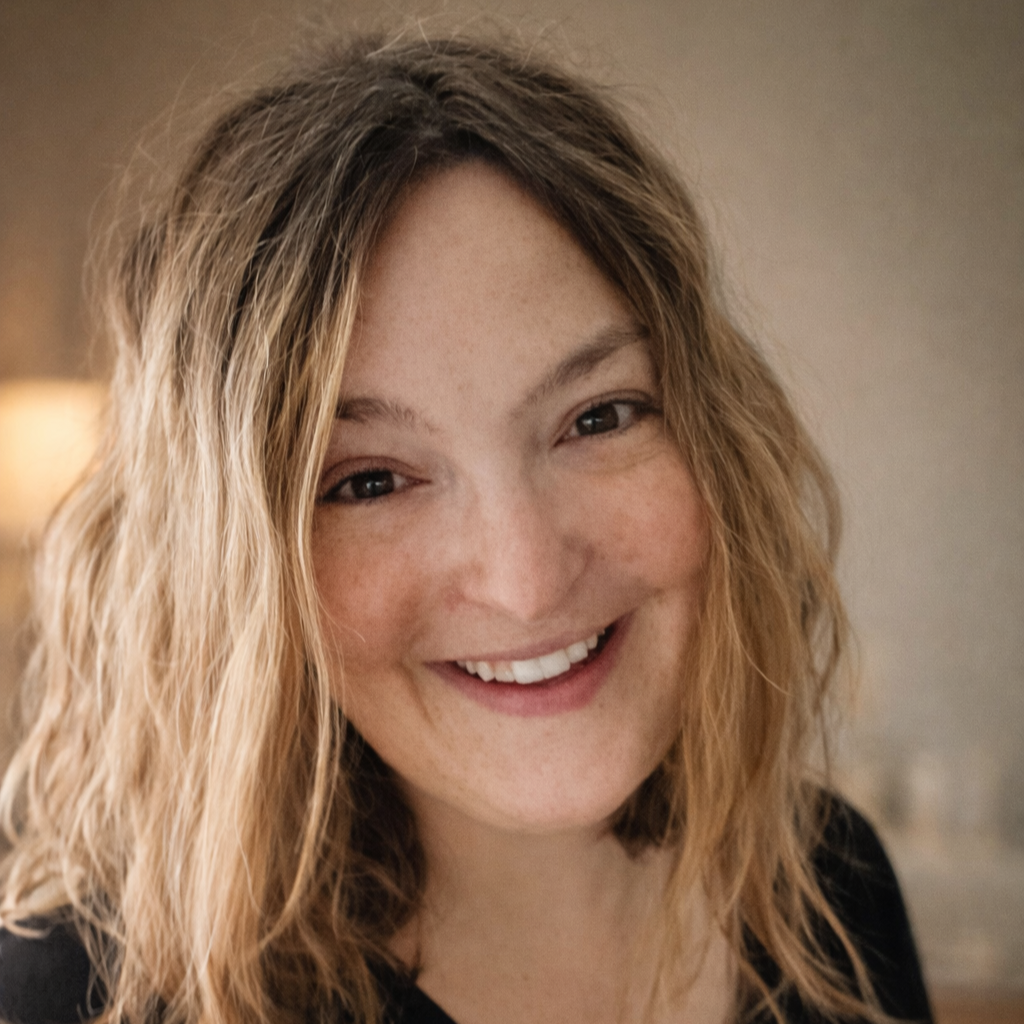
Dr. Anna Thurmes Barigayomwe is a licensed speech-language and feeding therapist as well as a faculty member at the University of Minnesota Cleft and Craniofacial Team. Her perspective is informed by her family’s lived experience navigating cleft care and by years of working alongside children and families.